• Preparing for College, Preparing for Success

    This presentation will discuss what Bear POWER is, how it benefits college students, and the process of admission. We will also share what skills/strategies students need to be successful in college. Finally, we will share how partnerships have been forged within the campus, community, and across states. When agencies, school personnel, campus staff/faculty, and individuals work together, there is a positive outcome for IDD students. This session would be beneficial for middle to high school administrators, counselors, special education staff, and other people working with people who have disabilities. Missouri State University’s Bear POWER (Promoting Opportunities for Work, Education and Resilience) program has 4 pillars: Academic, Social, Independent Living, and Job Readiness. Our program is a five-semester inclusive college program for students with intellectual and developmental disabilities. It is a recognized Comprehensive Transition Program (CTP) by the United States Department of Education.

    Free
  • Free Webinar: Externalizing behavior among children with neurodevelopmental disabilities

    Dr. Bottini discusses externalizing behavior among children with neurodevelopmental disabilities and a behavioral framework for how this behavior develops and persists over time. She describes how both the physical environment and others in the environment can play a role in these unmet needs. Finally, Dr. Bottini will provide an overview of effective behavioral strategies that address these needs and set up the environment for long term success.

    Free
  • Holidays: Merry, not Meltdown-y

    Holidays: Merry, not Meltdown-y. Autism-Friendly Navigation of the Holiday Season. Holidays can be challenging for autistic individuals. Amanda Tami, LPC, BCBA, will share tips, tricks, and suggestions to help you plan for a merry holiday season.

    Free
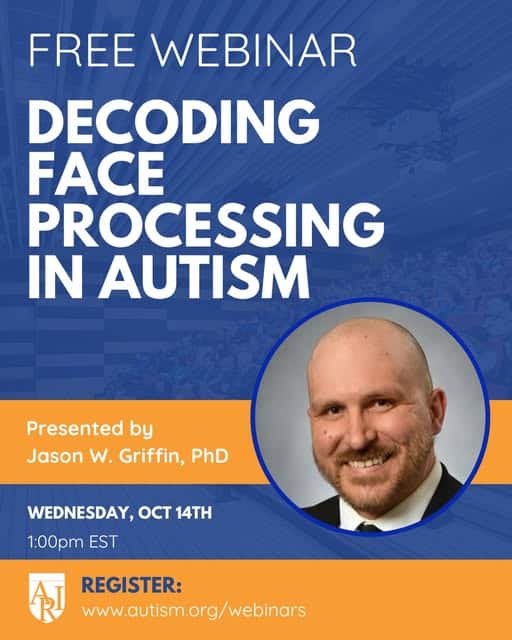
  • Decoding Face Processing in Autism

    Social difficulties in autism are well-documented, but the visual and neural mechanisms driving them remain poorly understood. Eye-tracking and EEG have been particularly valuable measurement modalities for understanding social perception in autism. This talk presents novel approaches to analyzing eye-tracking and EEG data that have strong potential to advance our understanding of social perception in autism. These methods can provide intermediate mechanisms for behavioral change over time and may improve sensitivity to intervention-related change. Looking ahead, ongoing efforts to extend these modalities into real-world social contexts are discussed, bringing laboratory-based measures closer to the lived experience of autistic individuals.

    Free