• Augmentative and Alternative Communication (AAC) Overview

    Training Objectives
    This session is designed to help parents and families
    1. Gain a clear understanding of Augmentative and Alternative Communication (AAC) and how it can support children with communication needs.
    2. Explore the different types of AAC and discuss how families can use these supports during everyday routines at home, in the community, and in school.
    3. Understanding what AAC is, how it works, and how it can help their child’s communication
  • Exploring sensory supports beyond fidgets

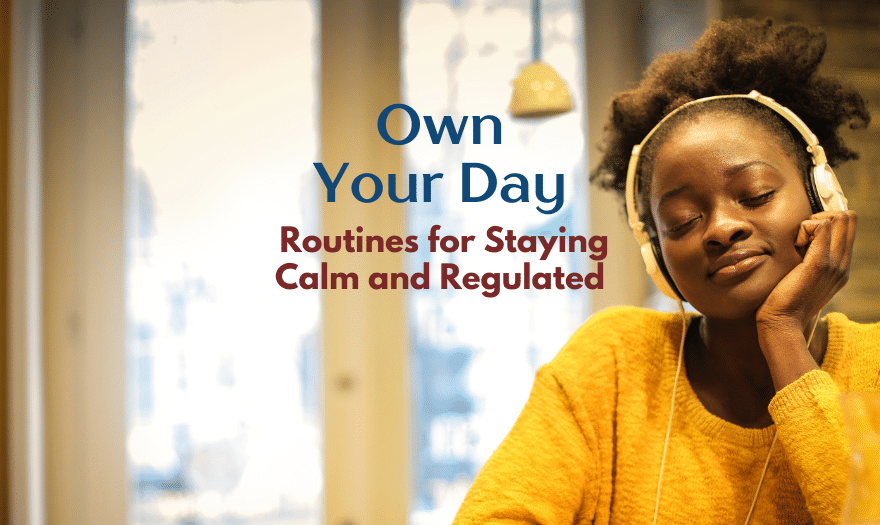
    In this one-hour webinar, we'll explore a variety of sensory tools that support focus, regulation, and comfort across everyday environments. Moving beyond traditional fidgets, participants will learn how sensory supports can be selected and used intentionally to enhance participation at home, school, work, and in the community.

    If an ASL interpreter is required, please notify workshops@pacer.org at least 48 hours prior to the workshop. We will do our best to accommodate your request.

    Free
  • What, Wait! You Want Me to Talk About Sexuality?

    Healthy relationship boundaries are an important skill. We will explore tips and tools for addressing sexuality with people you work with.

    Healthy relationship boundaries are an important skill for us all. We are seeing more and more examples of those who have crossed lines in our culture. Even though people with intellectual and developmental disabilities are sexual beings, just like everyone, they also need the information and skills to navigate these waters and learn what's okay and not okay in various settings.

    This webinar will explore tips and tools for addressing sexuality one-on-one with the individuals you work with. We will explore why this topic can be difficult to approach and useful tools that will help you become more comfortable and confident and communicate about this sensitive topic.

  • Accessible By Design: Creating Inclusive Events That Work for Everyone

    Who gets to show up, participate, and fully engage in your event? The answer starts with accessibility. Join Disability Belongs™ for a free virtual training, Accessible By Design: Creating Inclusive Events That Work for Everyone, on Tuesday, June 9th at 1:30 p.m. Eastern Time, and learn how to plan events that open the door to more people from the very beginning.

    This interactive session will equip you with the tools to design events that are inclusive from the outset. You will learn why accessibility is foundational to effective events and how to integrate it across every stage of planning. The training will cover key considerations for in-person, virtual, and hybrid formats, with practical guidance you can apply immediately.

  • The Bumpy Path Ahead: Accessibility Considerations for Exterior Surfaces

    Firm? Stable? Slip resistant? Excessive running slope? Who said cross-slope? What level? Grass is accessible, right? How do you really know if the surface material you are using on accessible routes, a pedestrian trail, shared use path, within a pedestrian access route, picnic area, or playground really is accessible and ADA compliant for the facility you are constructing or altering meets the minimums in the ADA Accessibility Standards? In this session, leading national experts on park and recreation access, Bill Botten and Jennifer Skulski will cover the ADA Accessibility Standards and special considerations to make sure your outdoor surfaces are designed, installed, and maintained to be usable by people with disabilities.

  • Beyond Code Minimums: Designing Accessible Kitchens & Bathrooms

    Between the ADA, FHA, Section 504, and general building codes, housing standards can be confusing for those with nondiscrimination requirements under the law as well as individuals with disabilities looking to live independently or age in place. In this webinar, attendees will learn practical design standards that go beyond minimal code compliance—so you can recognize quality accessibility when you see it (or request it when you don’t). Our speakers will share a Reference Guide and Kitchen and Bathroom Prototypes that they developed to reflect an inclusive design approach to plan for accessibility in any housing type. This session would benefit architects, builders, developers, planners and community development professionals, municipal officials who review plans and anyone invested in housing that serves people across their lifespan.

  • Ready Together: Emergency Preparedness Day at LIFE

    LIFE Living Independence for Everyone (Savannah) 4811 Waters Avenue, Savannah, GA

    Join LIFE for an engaging and informative community event focused on emergency preparedness for older adults, people with disabilities, caregivers, and anyone interested in learning how to stay safe and prepared during emergencies and severe weather events.

    This free, drop-in event will feature:

    Emergency preparedness education and practical safety tips
    Guest speaker and community resources
    Demonstrations on how to build an emergency preparedness kit and Go Kit
    Information tailored to a variety of access and support needs
    Opportunities to ask questions and connect with local partners
    A giveaway drawing for a completed emergency preparedness kit

    Whether you are just getting started or updating your emergency plans, this event is designed to provide simple, realistic steps to help you feel more confident and prepared.

    Come anytime during the event and participate at your own pace.

  • Neuroinclusive Design: Beyond Compliance Toward Sensory-Responsive Accessibility

    This webinar introduces neuroinclusive design as an evidence-informed extension of Americans with Disabilities Act (ADA) accessibility practice, centering sensory and cognitive access as critical dimensions of inclusion. Drawing on applied neuroscience, disability studies, and real-world case studies from libraries, museums, workplaces, and community facilities, the session explores how lighting, acoustics, color, wayfinding, predictability, and sensory load shape access for neurodivergent individuals, older adults, veterans, and people with invisible disabilities.

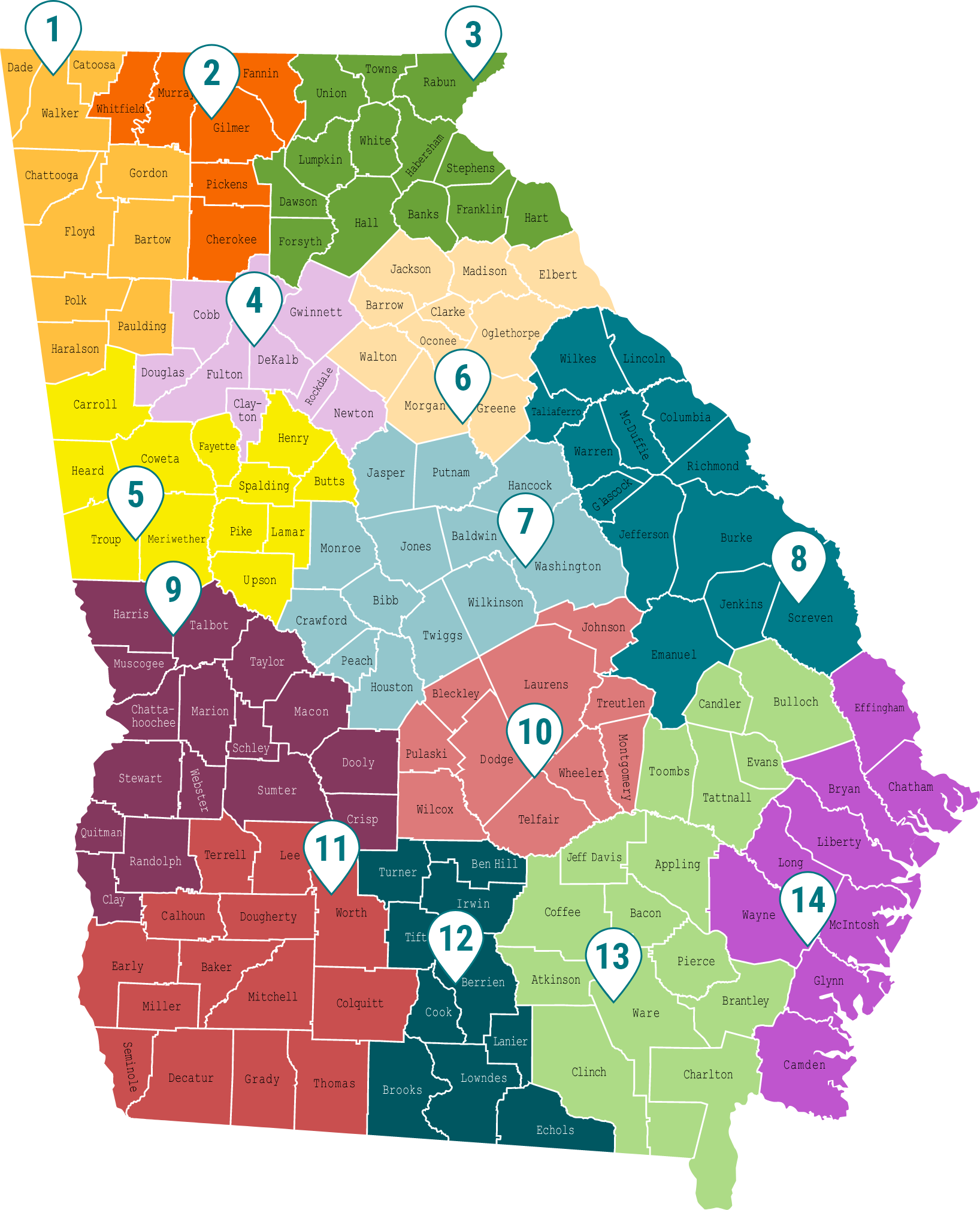
  • Fannin County Spotlight

    NWGA Center for Independent Living 527 Broad Street, Suite 101, Rome, GA

    Looking for resources that can help you or someone you know live more independently? Need assistance?
    Join NWGA Center for Independent Living (BEFA CIL) for your Fannin County Spotlight as we discuss programs and services designed to empower individuals with disabilities and older adults.