
• Mocha Matters

    Recurring

    Join our Virtual Support Group for Families of Color, a welcoming space created to connect, support, and empower families with loved ones on the autism spectrum. This monthly gathering provides an opportunity to share experiences, build community, and access valuable resources in an inclusive and understanding environment.

    Hosted by Spectrum Autism Support Group, these virtual parent meetings take place on the fourth Wednesday of each month and feature guest speakers who offer insight and expertise on a wide range of topics related to Autism Spectrum Disorder.

    While this group is designed to uplift and reach families of color, all families are welcome to join the conversation, learn, and grow together.


  • Support Group for Adults

    This 8-meeting support group is for Autistic adults (18+) who are post k-12. Through this group, members can build an ongoing connection with a small community. AANE support groups give members an opportunity to celebrate successes and support each other through difficulties. Common topics of discussion are:

    Masking/camouflaging
    Sensory sensitivities/overloads
    Relationships
    Self-care
    Disclosure
    Work/jobs
    Intersectionality

    $100
  • Support Group for Women (35-50)

    This multi-session support group is designed for women (35-50) who are Autistic. Through this support group, women (35-50) can build an ongoing connection with a small community of other women. AANE multi-session support groups for women also give women an opportunity to voice their concerns and frustrations. It also lets them acknowledge hard-won and unexpected victories. Common topics of discussion are:

    Masking/camouflaging
    Sensory sensitivities/overloads
    Relationships
    Self-care
    Empathy

    $100
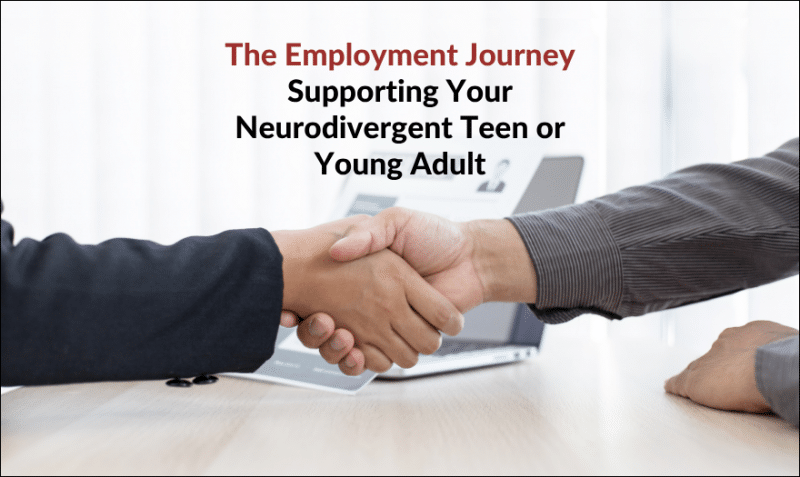
  • The Employment Journey: Supporting Your Neurodivergent Teen or Young Adult

    Sometimes it can be difficult to know how much to support your children into work. You might get some push back from them, but if you can demonstrate that you are helping them to become more independent by having some money coming in for the things they would like to buy, or so that they can one-day live independently, they might be more receptive. This session will give you tips to help you as a parent to support your child in identifying their strengths, help them understand how to self-advocate for their needs and what kind of jobs they can start applying for straight away.

    $25
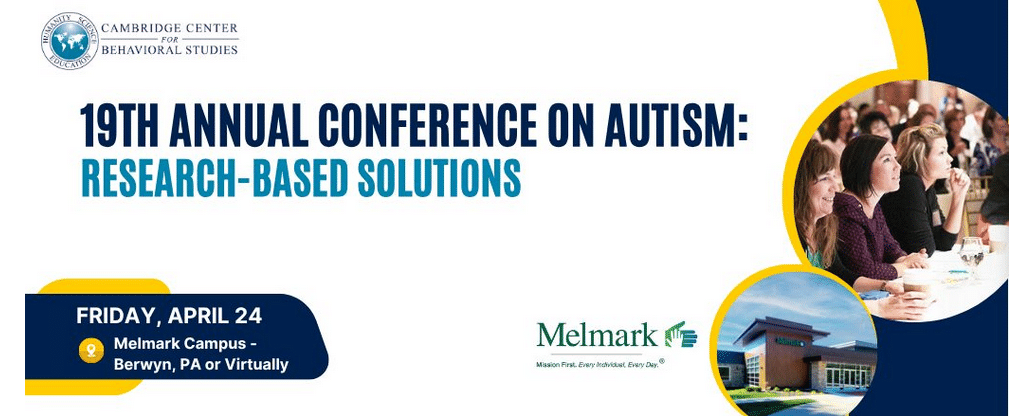
  • 19th Annual Conference on Autism: Research-Based Solutions

    Register for this one-day conference featuring leading experts in fields of Science, Special Education, and Autism Spectrum Disorders.

    Friday, April 24, 2026 – 9:00 am – 5:15 pm (Eastern Timezone) Get Schedule

    Register for in-person or virtual attendance. Recordings will be available for 14 days post-conference*.

    *NOTE that the rules for attendance verification for any asynchronous/home study through recordings have changed. For BACB Learning CEUs, there is a 3 question quiz for each presentation that needs to be passed. And we no longer offer Psychology CE Credits through asynchronous/home study. Psychology CE Credits are only available through live/synchronous learning. (For those seeking Psychology CE Credits, study is to be completed during live/synchronous attendance. Review Continuing Education Opportunities below.

    Of benefit to Behavior Analysts, Psychologists, Teachers, Speech-Language Pathologists, Special Education Providers, School Administrators, Students and Parents & Caregivers

  • From High School to Life: Designing Transition IEPs That Reflect Real Futures

    What if the last day of high school looked more like the life a student wants to live next? This 60-minute webinar, hosted by the RAISE Center in collaboration with Think College and NTACT:C, explores how transition-focused IEPs can be designed to support meaningful post-school outcomes.

    Presenters will highlight strategies for aligning IEP goals, services, and planning with real-world experiences—such as employment, education, community engagement, and independent living—so that transition planning truly prepares students for life beyond graduation.

    Free
  • Support Group for Women (50+)

    Join us monthly for an support group that offers Autistic women, age 50+ an opportunity to come together to explore issues such as:

    Receiving a diagnosis later in life
    Masking and Camouflaging
    Finding Support; Building and Maintaining Relationships
    Challenges Post Menopause; Decline of Executive Functioning
    Mid-Life Identity
    Managing Stress and Coping Strategies
    Self-Care

    $10
  • From Community to Culture, Valuing the Autistic Identity

    As the conversations between and about Autistic people have evolved, so too has Autistic culture. This session examines the unique culture of Autistic individuals that has developed as the neurodiversity movement has gained momentum. It also reviews the history of autism and the role of social media in the evolution of Autistic culture and reveals how the communication between allistics (non-autistics) and Autistics differs from communication between Autistics. It also examines the shared cultural and experiential understanding of Autistics regarding topics such as “masking”, “accommodations”, and sensory integration.

    $25
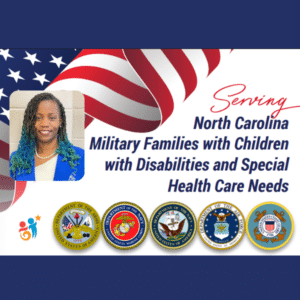
  • Meet Triahnna – ECAC Military Parent Educator

    Join us to learn more about Triahnna Miles and her role as ECAC Military Parent Educator. She will share information on how she helps military families and review the 2026 Month of the Military Child and how families can engage in these activities this month and throughout the year.

    Free
  • Exploring sensory supports beyond fidgets

    In this one-hour webinar, we'll explore a variety of sensory tools that support focus, regulation, and comfort across everyday environments. Moving beyond traditional fidgets, participants will learn how sensory supports can be selected and used intentionally to enhance participation at home, school, work, and in the community.

    If an ASL interpreter is required, please notify workshops@pacer.org at least 48 hours prior to the workshop. We will do our best to accommodate your request.

    Free
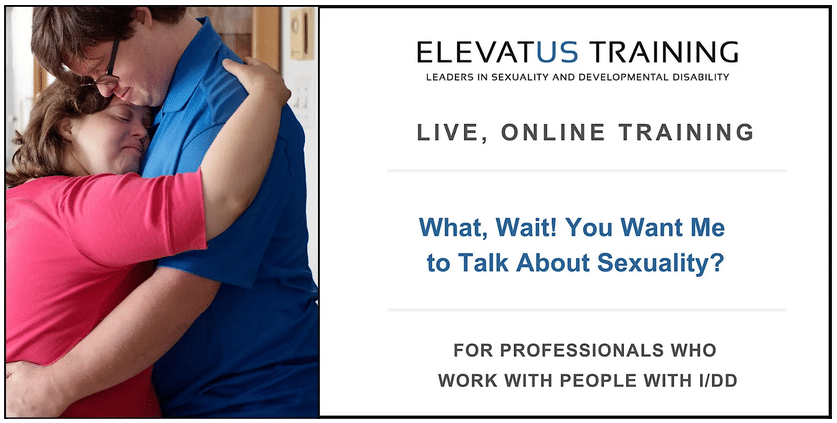
  • What, Wait! You Want Me to Talk About Sexuality?

    Healthy relationship boundaries are an important skill. We will explore tips and tools for addressing sexuality with people you work with.

    Healthy relationship boundaries are an important skill for us all. We are seeing more and more examples of those who have crossed lines in our culture. Even though people with intellectual and developmental disabilities are sexual beings, just like everyone, they also need the information and skills to navigate these waters and learn what's okay and not okay in various settings.

    This webinar will explore tips and tools for addressing sexuality one-on-one with the individuals you work with. We will explore why this topic can be difficult to approach and useful tools that will help you become more comfortable and confident and communicate about this sensitive topic.