
• Multi-Session Support Group for Parents of Adults (23+)

    This multi-session support group is for parents who have an Autistic adult child 23 years of age or older. Other adult family caregivers may also register for this group. Multi-session support groups are ideal for parents and other adult family caregivers who want to go beyond sharing their stories with newcomers each time at open support group meetings.

    AANE support groups provide an opportunity for parents and family caregivers to voice their concerns and frustrations and celebrate hard-won and unexpected victories. Although each group will focus on different themes and questions, here are some of the most common ones:

    Now that your child is an adult, how do you support and/or parent without power?
    How do you keep the lines of communication open?
    How can you help the Autistic adult find and sustain work and live independently?
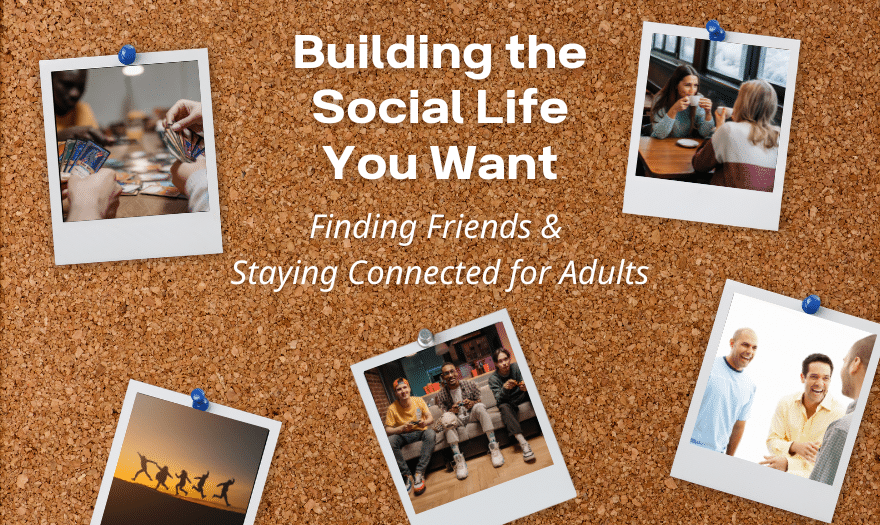
    How do you motivate them to expand their social network?
    What types of services have other families used and what were the results?
    How have other members tapped into health, income, housing, and other benefits?

    *Please note that these meetings will not be recorded.
    Dates

    June 8
    June 22
    July 6
    July 20
    August 10
    August 24
    September 14
    September 28

    $180
  • Support Group for Gay Men

    Are you a gay man in the AANE community? Have you ever wanted to share your thoughts and experiences with other Autistic gay men? Join us!

    $10
  • Jackbox Game Night for Adults

    Join us for camaraderie and fun! We will be playing a variety of Jackbox games that we will select as a group! Most games fit about 8 participants, but are still a blast to watch! We rotate through both games and players to have a great time together!

    $10
  • AAC Overview

    Training Objectives
    This session is designed to help parents and families
    1. Gain a clear understanding of Augmentative and Alternative Communication (AAC) and how it can support children with communication needs.
    2. Explore the different types of AAC and discuss how families can use these supports during everyday routines at home, in the community, and in school.
    3. Understanding what AAC is, how it works, and how it can help their child’s communication

  • Support Group for BIPOC Adults

    This is our support group for Autistic people of color (18+). These spaces are peer-led and provide an opportunity for participants to explore how their multiple identities show up and address their specific needs, by sharing experiences and offering support to one another. We are running these meetings through the winter and then will determine the next steps for future programming based on interest and feedback.

    Free
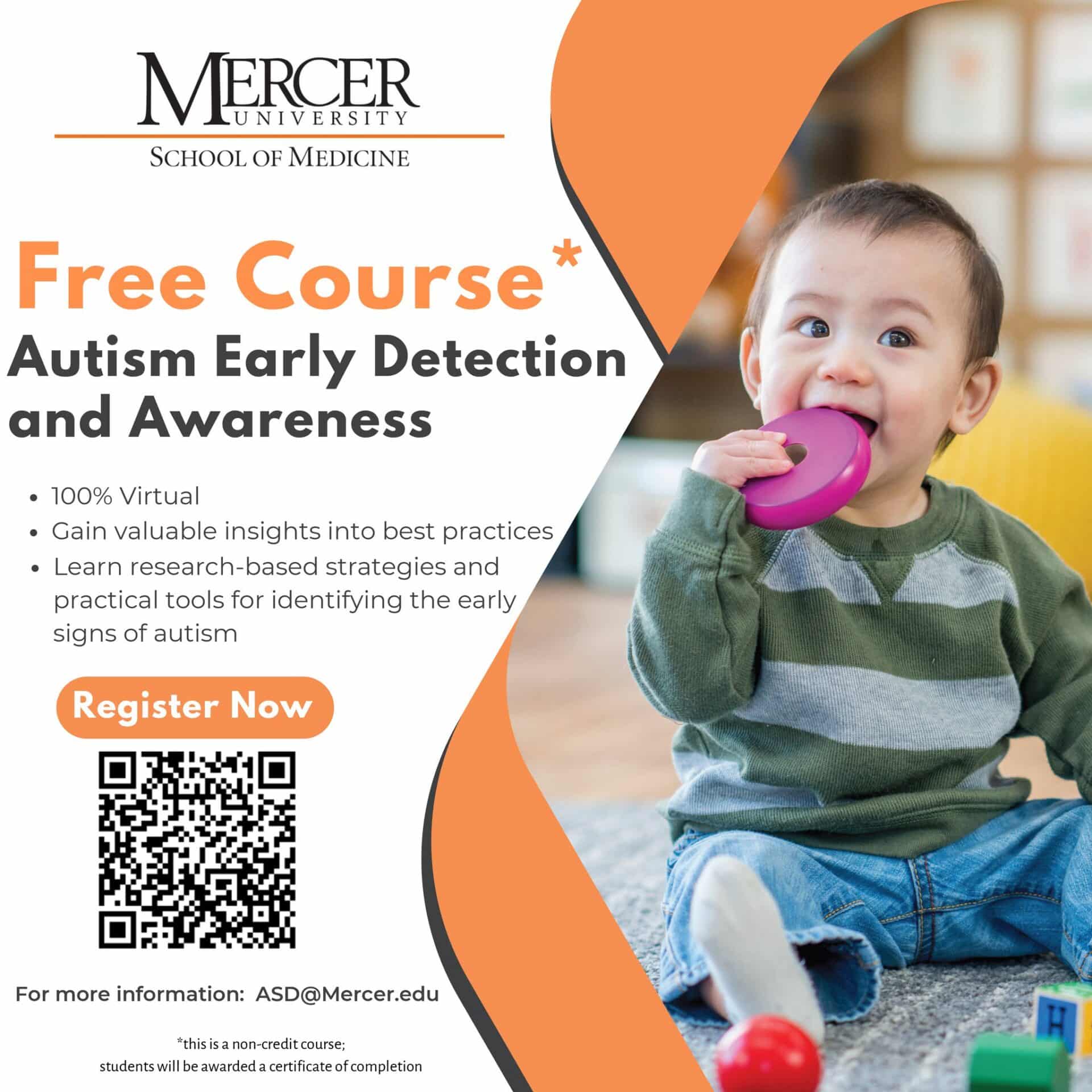
  • Autism Early Detection and Awareness Course (Repeating)

    This course meets virtually on Tuesdays at noon each week for 8 weeks. The course is open to everyone. Topics include: Course Content:
    Week 1: Autism Review
    Week 2: The Autism Spectrum
    Week 3: Developmental Milestones and Autism Detection
    Week 4: Autism Evaluation
    Week 5: Brain Differences in Autism
    Week 6: Early Intervention Therapies
    Week 7: Co-Occurring Conditions
    Week 8: Autism as a Life-Long Condition

    Free
  • Georgia Medicaid Basics and an Overview of Home and Community-Based Services

    P2P will discuss Medicaid programs and services, including how to qualify for Medicaid based on a child’s disability or chronic health condition (Katie Beckett Deeming Waiver). This course will include information on EPSDT, GAPP, SOURCE, and a brief overview of CCSP, ICWP and NOW/COMP waivers.

    Free
  • All About the NIH Strategic Plan for Disability Health Research

    Description: In March, the National Institutes of Health (NIH) released their NIH Strategic Plan for Disability Health Research. The plan offers a comprehensive roadmap to advance innovative, responsible research that promotes the health and well-being of Americans with disabilities. In this webinar, Adam Politis, NIH Senior Advisor for Disability Health Research, will explain the plan’s goals, objectives, and crosscutting themes. Then, he will be joined by Laurin Bixby, Lurie Institute Research Scientist, for a discussion about the plan as well as answer questions from attendees.

  • Accessible By Design: Creating Inclusive Events That Work for Everyone

    Who gets to show up, participate, and fully engage in your event? The answer starts with accessibility. Join Disability Belongs™ for a free virtual training, Accessible By Design: Creating Inclusive Events That Work for Everyone, on Tuesday, June 9th at 1:30 p.m. Eastern Time, and learn how to plan events that open the door to more people from the very beginning.

    This interactive session will equip you with the tools to design events that are inclusive from the outset. You will learn why accessibility is foundational to effective events and how to integrate it across every stage of planning. The training will cover key considerations for in-person, virtual, and hybrid formats, with practical guidance you can apply immediately.

  • GCA Social Support Group – Zoom

    Recurring

    Come meet other like-minded individuals on the autism spectrum, as we share what has been going on in our lives with others who can understand
    us. The meeting will be held via Zoom.
    If you have any questions or would like the link to the Zoom meeting, please e-mail Jamie Mackintosh at jamie.mackintosh@chattanoogaautismcenter.org.